
Ceramic Resistances
Use Areas of Ceramic Resistances
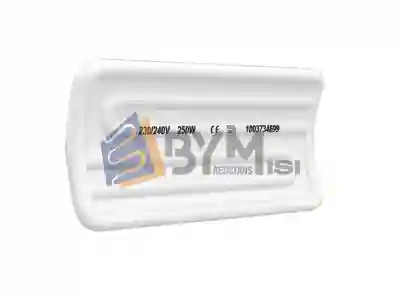
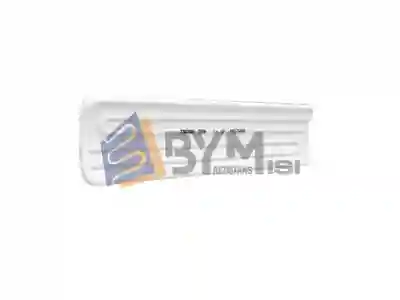
Ceramic heating elements have a wide range of applications in many different industries. These include sectors such as food processing, automotive, plastics, paper and textiles. For example, in the food processing industry, ceramic heating elements are used in ovens, dryers, cooking machines and grills. In the automotive industry, they are used in painting and curing processes. In the plastics industry, ceramic resistances are used in extrusion machines and mold heaters. In the paper industry, these resistors are used in applications such as dryers and heaters.
Advantages of Ceramic Resistances
Ceramic heating elements have many advantages. The most important of these are the following:
High Temperature Resistance: Ceramic heating elements can be used at high temperatures and are generally capable of heating up to 1200°C. These properties make it ideal for high temperature processes in industrial applications.
Long Life: Ceramic heating elements have a long lifespan and can usually be used for more than 10,000 hours. This reduces costs in the long term and reduces the need for maintenance.
Versatile: Ceramic heating elements can be suitable for many different applications. This provides many different solutions for industrial applications.
Fast Heating: Ceramic heating elements heat up quickly and maintain a constant temperature at high temperatures. This enables transactions to be carried out more quickly and efficiently.
High Efficiency: Ceramic heating elements offer high efficiency. Therefore, they help you save energy and reduce costs.