
Temperature Control Elements
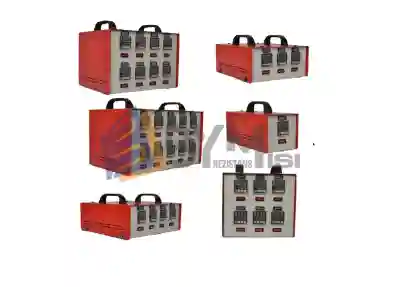
What are Temperature Control Elements?
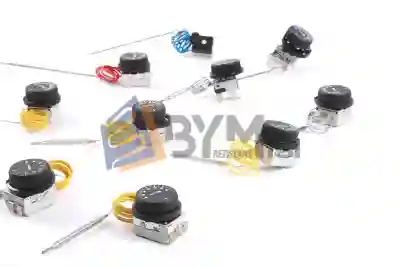
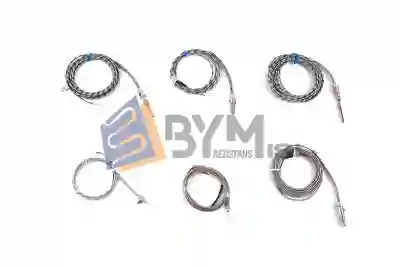
Temperature control elements use a thermal sensor (temperature sensor) to monitor the temperature. The temperature sensor detects the temperature and gives feedback to the temperature control element. The temperature control element takes the necessary action to maintain a certain temperature range. For this, a control circuit is used and processes the feedback from the temperature sensor and takes the necessary actions.
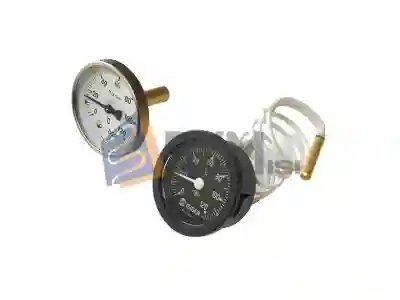
Heat control elements can be designed in different ways for different applications. For example, there are various types of thermostats, such as thermostats that open and close according to the temperature sensor, controllers that can continuously adjust the temperature using PID (Proportional Integral Derivative) control, thermometers that only measure heat, or solid state thermometers that can react instantly to temperature changes.
What are the Usage Areas of Heat Control Elements?
Temperature control elements are used in many different industrial applications that require temperature control. For example, in the food processing industry, temperature control elements are used for cooking or freezing at different temperatures. They are also used in the automotive industry to control the temperature of metal molds in the automotive supply industry. In the chemical industry, they are used to ensure that reactions are carried out at the appropriate temperature, while in the plastics industry, the temperature of molds is controlled.
Temperature control elements are also used in many household appliances such as ovens, stoves, heaters and air conditioners. In short, temperature control elements are widely used for temperature control in many industrial and domestic applications. The heat control elements produced in BYM Resistance büny are easily and safely evaluated in the industrial world, especially in daily use items, with their high quality structures.
What are the Advantages of Temperature Control Elements?
Heat control elements have many advantages. They help businesses reduce energy costs and increase operational efficiency by providing temperature control. It also helps to improve product quality by providing precise temperature control. Temperature control elements are more accurate and reliable compared to manual temperature control. In addition, they provide automatic temperature control, reducing labor costs and increasing automation of the production process. All these are the advantages of temperature control elements used in industrial applications. The main advantage of the temperature control elements in the water heaters, stoves and ovens that we use in homes and workplaces in daily life is safety and energy saving.