

Injection Resistances
What are Injection Resistances?
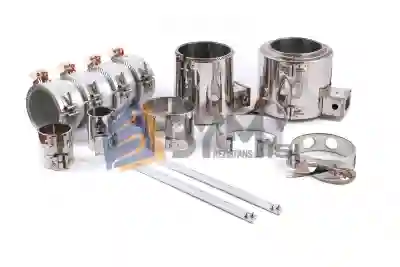
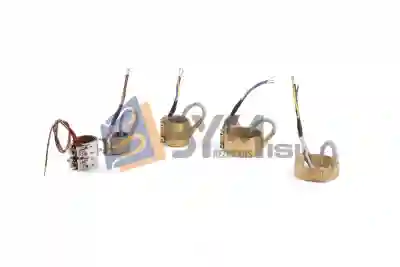
Injection molding resistors are usually cylindrical in shape and their size is usually determined by the size of the object to be heated. There are various types of injection molding resistors with different temperature ranges, different wattages, clamp resistors and plate resistors.In addition, plate resistors can also be used in injection molds and are available as mica insulated clamp resistors or ceramic insulated clamp resistors.
Injection Resistances Usage Areas
Injection resistors are widely used in injection molding processes on injection molding machines and extruder machines. This process is used for the mass production of plastic parts. For example, plastic caps, toys, household appliances and many other products are produced by injection molding process.
During the injection molding process, it is very important to accurately control the material temperature. The temperature control of the resistors is done by means of a thermocouple. Injection resistors are the main heating elements used to maintain this temperature. For this reason, injection molding resistors play an important role in the plastics manufacturing industry.
What to Consider When Selecting Injection Resistances
Choosing the right injection resistor in the injection molding process is crucial for the quality and efficiency of the production process. Therefore, some factors to be considered when selecting injection resistors are as follows:
Material: The material of injection molding resistors depends on the resistance to temperature and the longevity of the resistance. Generally, injection molding resistors consist of outer sheet metal and mica insulation. However, for processes requiring higher temperatures, clamp and plate resistors with ceramic insulation are preferred.
Watt rating: The wattage determines the heating capacity of the injection heating element. The wattage should be chosen according to the mold size, material type and temperature requirements. Higher wattages provide faster heating but result in higher costs. For high heat, ceramic insulated clamp resistors and plate resistors are preferred.
Ölçüs: The dimensions of the injection resistors are determined by the mold dimensions. The resistors must be selected to fit the injection mold exactly. Also, the dimensions may vary depending on where the injection resistors are to be placed.
Temperature range: The temperature range of injection resistors depends on the melting point of the mold material. The temperature range is important for temperature control and must be selected correctly. Furthermore, the temperature range influences the desired results of the injection molding process.
Conductivity: The high conductivity of injection heating elements saves energy during the heating process. Injection resistors with high conductivity provide faster and more efficient heating.
Therefore, the corrosion resistance of injection molded resistors is critical and must match the mold materials.