
Spiral Resistances
Working Principle of Spiral Resistors
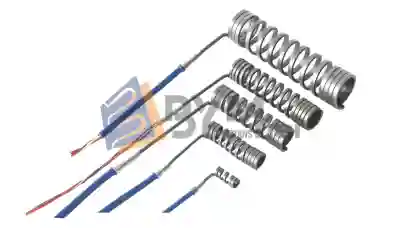
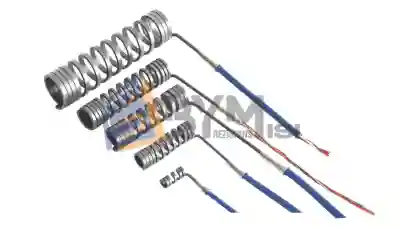
Spiral heating elements are a heating element commonly used in hot water and heating systems for domestic and industrial uses. This heating element is formed by twisting a spiral made of a wire or wire in a special way.
Spiral resistors are formed by winding a resistance wire in a spiral. The electric current flowing through this wire is converted into heat energy due to the resistive nature of the wire. Spiral resistors are used in places such as hot water tanks, steam boilers and industrial furnaces. A stream of water or air flows around the heating element, distributing the heat. Spiral heating elements produce heat quickly and efficiently and come with thermostats that can be used to control the speed of the heating process.
Advantages of Spiral Resistances
Spiral heating elements have many advantages. First, they provide fast heating. This helps users save time and energy. Secondly, spiral heating elements are an inexpensive heating option that is easy to install and use. Third, spiral resistors are long-lasting and durable.
Applications of Spiral Resistances
Spiral resistors have a wide range of uses in household and industrial applications. For example, in households, spiral resistors are used in water heaters, dishwashers, ovens and stoves. In industrial use, spiral resistors are used in many applications such as steam generators, steam boilers, industrial ovens and refrigerators.