

Clamp and Plate Heaters
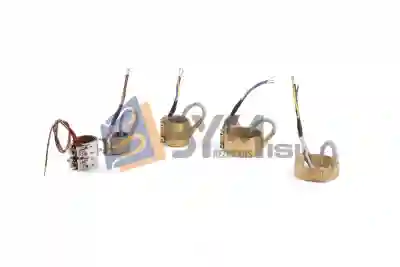
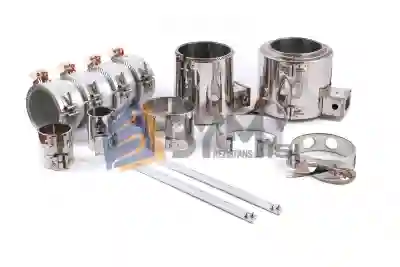
What Are Injection Heaters?
Injection heaters are typically cylindrical in shape, and their diameters are generally determined based on the diameter of the object to be heated.Various injection resistors—including clamp resistors and plate resistors—are available with different temperature ranges and wattage ratings. Additionally, plate resistors can also be used in injection molds.They are manufactured as mica-insulated clamp-on heating elements or ceramic-insulated clamp-on heating elements.
Applications of Injection Molding Heating Elements
Injection molding heaters are widely used in injection molding machines and extruders during injection molding processes. This process is used for the mass production of plastic parts. For example, plastic lids, toys, household appliances, and many other products are manufactured using the injection molding process.
During the injection molding process, it is very important to control the material temperature accurately. Temperature control of the heating elements is performed via thermocouples. Injection molding heating elements are the primary heating components used to generate this temperature. For this reason, injection molding heating elements play a very important role in the plastic product manufacturing industry.
Considerations for Selecting Injection Molding Heaters
Selecting the correct injection molding heating elements in the injection molding process is very important in terms of quality and efficiency during the production process. Therefore, here are some factors to consider when selecting injection resistors:
Material: The material of injection molding heating elements determines the element’s heat resistance and longevity. Injection heaters are typically composed of an outer metal sheet and mica insulation. However, for processes requiring higher temperatures, ceramic-insulated clamp and plate heaters are preferred.
Wattage: The wattage determines the heating capacity of the injection resistance. The wattage should be selected based on the mold size, material type, and temperature requirements. Higher wattage provides faster heating but results in higher costs. For high heat, ceramic-insulated clamp-on and plate heaters are preferred.
Dimensions: The dimensions of injection molding heating elements are determined based on the mold dimensions. Dimensions must be selected to fit the injection mold perfectly. Additionally, dimensions may vary depending on where the injection heaters will be installed.
Temperature Range: The temperature range of injection molding heating elements depends on the melting point of the mold material. The temperature range is critical for temperature control and must be selected correctly. Furthermore, the temperature range affects the desired outcomes in the injection molding process.
Conductivity: The high conductivity of injection molding heating elements enables energy savings during the heating process. Injection molding heating elements with high conductivity provide faster and more efficient heating.
For this reason, the corrosion resistance of injection molding heating elements is important, and they must be compatible with the mold materials.